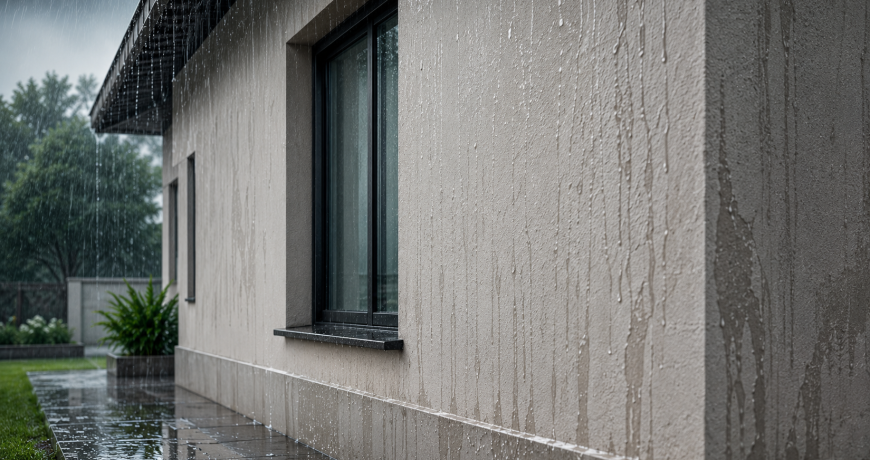
Exterior walls are the first line of defense against environmental conditions. Among all weather-related challenges, rainwater is one of the most common causes of building deterioration. Continuous exposure to moisture can gradually weaken wall surfaces, reduce structural durability, and increase maintenance costs.
Fortunately, modern water protection technologies can significantly reduce these risks. By implementing the right preventive measures, property owners can protect exterior walls and extend the lifespan of their buildings.
Why Rain Damage Is a Serious Concern
Rainwater may appear harmless, but over time it can penetrate tiny pores and cracks within construction materials. Once moisture enters the wall system, it can trigger various forms of deterioration.
Common problems caused by rainwater include:
- Water seepage and leakage
- Surface staining and discoloration
- Efflorescence (white salt deposits)
- Mold and mildew growth
- Cracking and surface erosion
- Paint and coating failure
- Reduced structural durability
Without proper protection, these issues can become expensive and difficult to repair.
How Rainwater Damages Exterior Walls
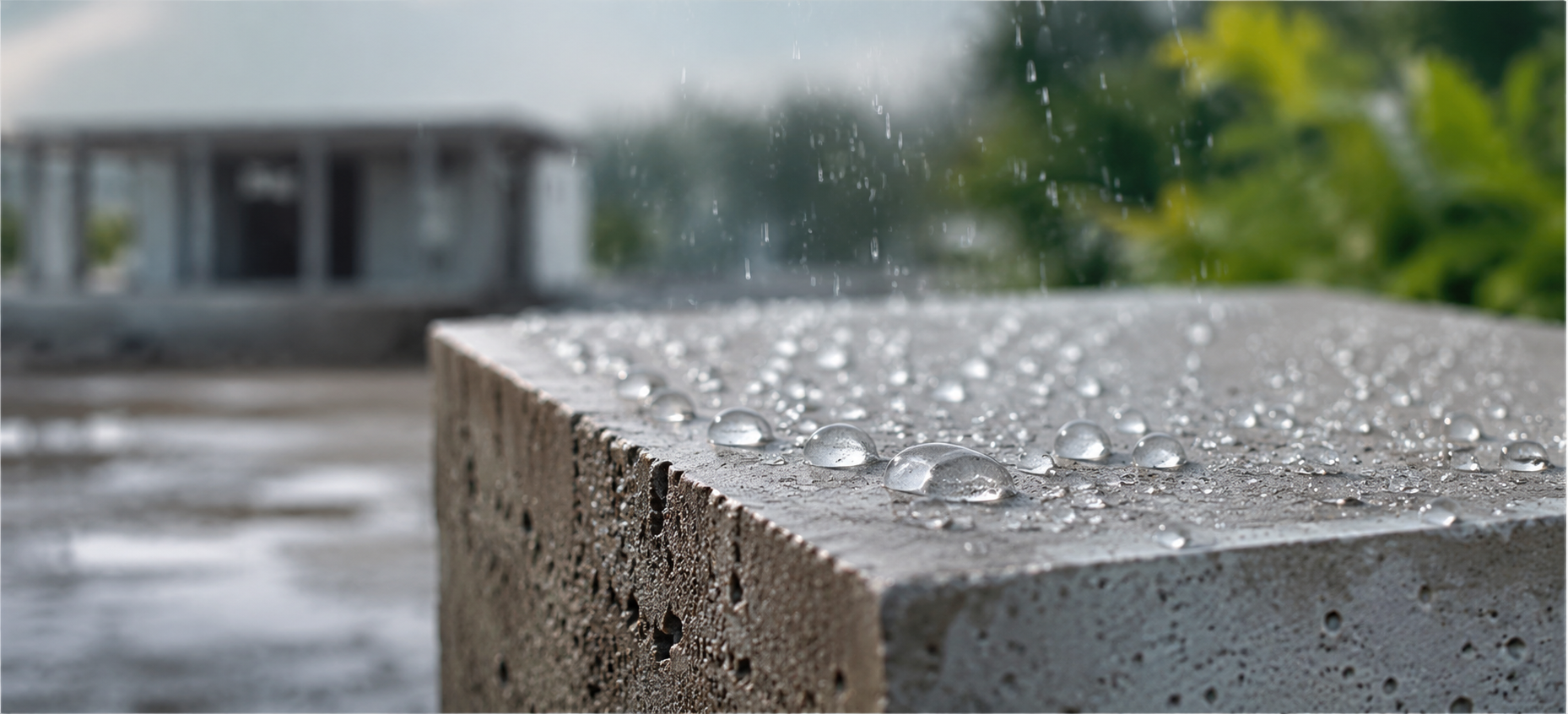
Most building materials such as concrete, brick, stone, plaster, and masonry are naturally porous. During rainfall, these materials absorb water through microscopic openings.
Repeated wetting and drying cycles can lead to:
1. Moisture Penetration
Water slowly enters the substrate and travels deeper into the wall structure. Over time, this can weaken materials and create hidden damage.
2. Surface Deterioration
Continuous exposure to moisture may cause peeling paint, surface erosion, and degradation of protective finishes.
3. Efflorescence Formation
As water moves through walls, it carries dissolved salts to the surface. When the water evaporates, white mineral deposits remain behind, affecting appearance and surface quality.
4. Mold and Algae Growth
Damp surfaces create ideal conditions for mold, mildew, algae, and fungal growth, which can affect both aesthetics and indoor air quality.
5. Structural Weakening
Long-term water infiltration can gradually reduce the strength and durability of construction materials.
Benefits of Protecting Exterior Walls
Investing in rain protection solutions offers several long-term advantages:
Increased Building Lifespan
Protected walls experience less deterioration and maintain their performance for longer periods.
Lower Maintenance Costs
Reduced moisture damage means fewer repairs, repainting projects, and restoration expenses.
Better Appearance
Water protection helps preserve the original look and finish of exterior surfaces.
Improved Structural Integrity
Limiting water penetration helps maintain the strength and stability of construction materials.
Enhanced Property Value
Well-maintained buildings typically retain their value and appeal more effectively over time.
The Asmaka Chemicals Advantage
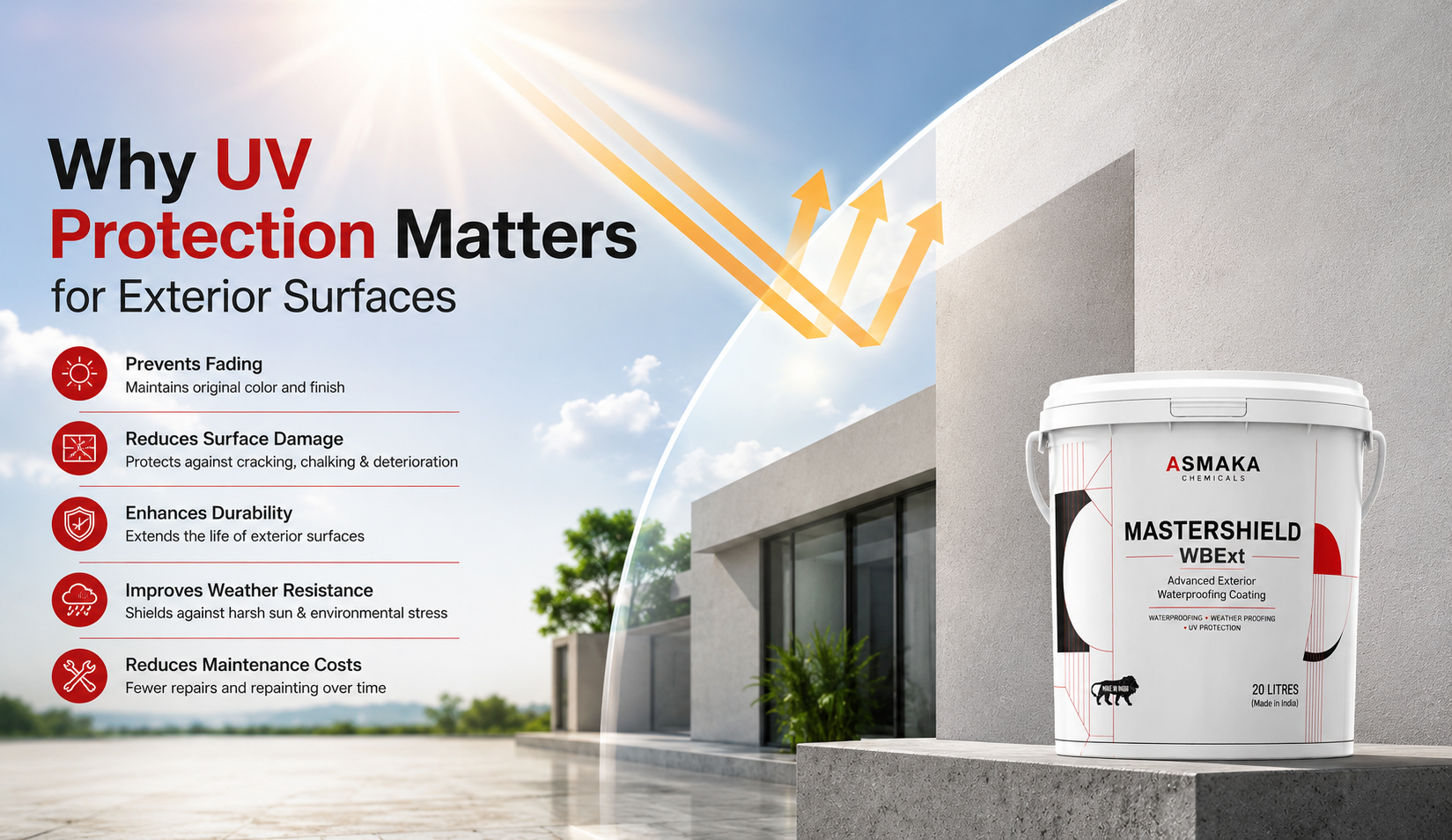
At Asmaka Chemicals, we develop advanced water repellent and protective solutions designed specifically for modern construction environments.
Our technologies help:
- Reduce water absorption
- Prevent moisture-related deterioration
- Protect masonry, concrete, stone, and plaster surfaces
- Maintain long-term durability and appearance
- Improve overall building performance
Whether for residential, commercial, or infrastructure projects, our solutions provide reliable protection against rainwater damage and environmental exposure.
Conclusion
Rainwater can gradually compromise the durability, appearance, and performance of exterior walls. However, with the right protection strategy—including water repellent treatments, quality coatings, proper drainage, and regular maintenance—buildings can remain protected for many years.
Protecting exterior walls from rain damage is not simply a maintenance task; it is an investment in the long-term health, safety, and value of a structure.
With advanced water protection technologies from Asmaka Chemicals, property owners can confidently safeguard their buildings against moisture-related damage and extend the life of their exterior surfaces.

There are no comments